Tool Guides
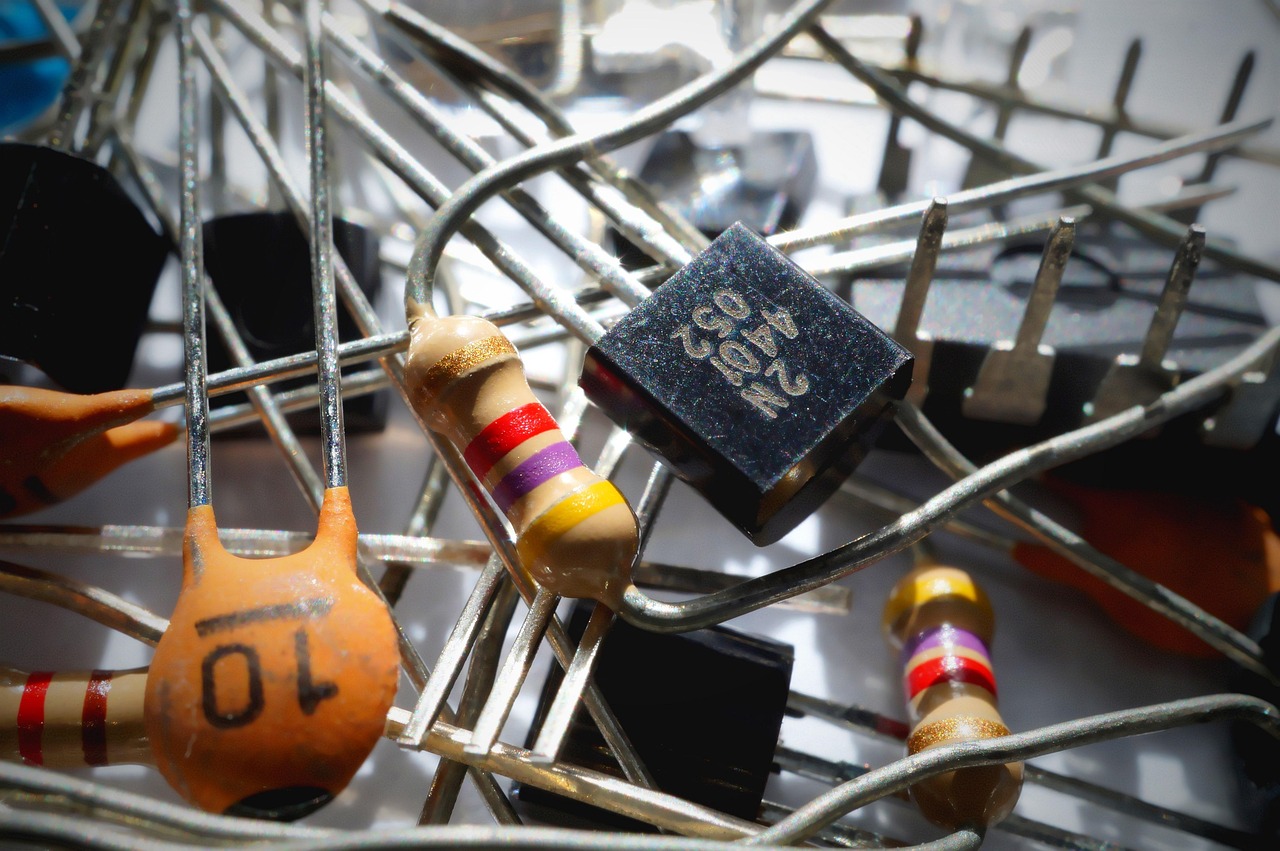
Every beginner hits the same wall. You pull a resistor out of a bag, see four or five colored bands painted on it, and have no idea what value it is. So you grab your phone, search for a color code chart, and squint at the tiny stripes until you figure it out. This works, but it's slow and it never quite sticks. The good news is that the color code is not random. It's a system, and once you understand the logic behind it, you'll start reading resistors the way you read the numbers on a clock.
Most resistors have four bands. The first two bands are digits, the third band is a multiplier, and the fourth band is the tolerance. Some resistors have five bands, where the first three are digits and the fourth is the multiplier, which allows for more precision. For beginner work, you'll mostly see four-band resistors, so start there.
The colors map to digits zero through nine in a fixed order: black, brown, red, orange, yellow, green, blue, violet, gray, white. There are many mnemonics for this, and the classic one is a bit crude, so here's a cleaner version: Black Bears Rob Our Yellow Green Blue Vests, Generally Wearing White. The first letter of each word matches the first letter of each color, in order. Say it a few times and it will stick faster than you expect.
Reading a resistor works like this. Say you have a resistor with bands of brown, black, red, and gold. Brown is 1, black is 0, so the first two digits are 10. Red is the multiplier, and red means multiply by 100. So 10 times 100 equals 1000 ohms, or 1k. The gold band means plus or minus five percent tolerance. That's it. You read it left to right, starting from the end where the bands are closest together.
The tolerance band is usually separated from the others by a slightly larger gap, which is how you know which end to start from. Silver and gold are the two common tolerance colors, and they're also the only colors that appear in the tolerance position, which makes them easy to spot. Silver is plus or minus ten percent, gold is plus or minus five percent. If you see a resistor with no tolerance band, it's assumed to be plus or minus twenty percent, which is rare in modern parts.
Grab a handful of resistors from your parts bin and read them without checking a chart. Write down what you think each one is, then verify with a multimeter. You'll be wrong sometimes, especially with red and orange or blue and violet, which are the pairs that trip up everyone. That's fine. The act of being wrong and then checking is what builds the memory.
One trick that helps with the confusing pairs is to remember that red is a warmer, brighter color than orange in most printed bands, and blue is darker than violet. If you're unsure, hold the resistor under good light and compare it to a known resistor of each color side by side. After an hour of this, you'll find you can glance at a resistor and read it almost instantly, without a chart and without thinking about it. That's a small skill, but it removes a friction point from every project you build afterward, and those small frictions are what stop beginners from finishing things.
