Electronics Projects
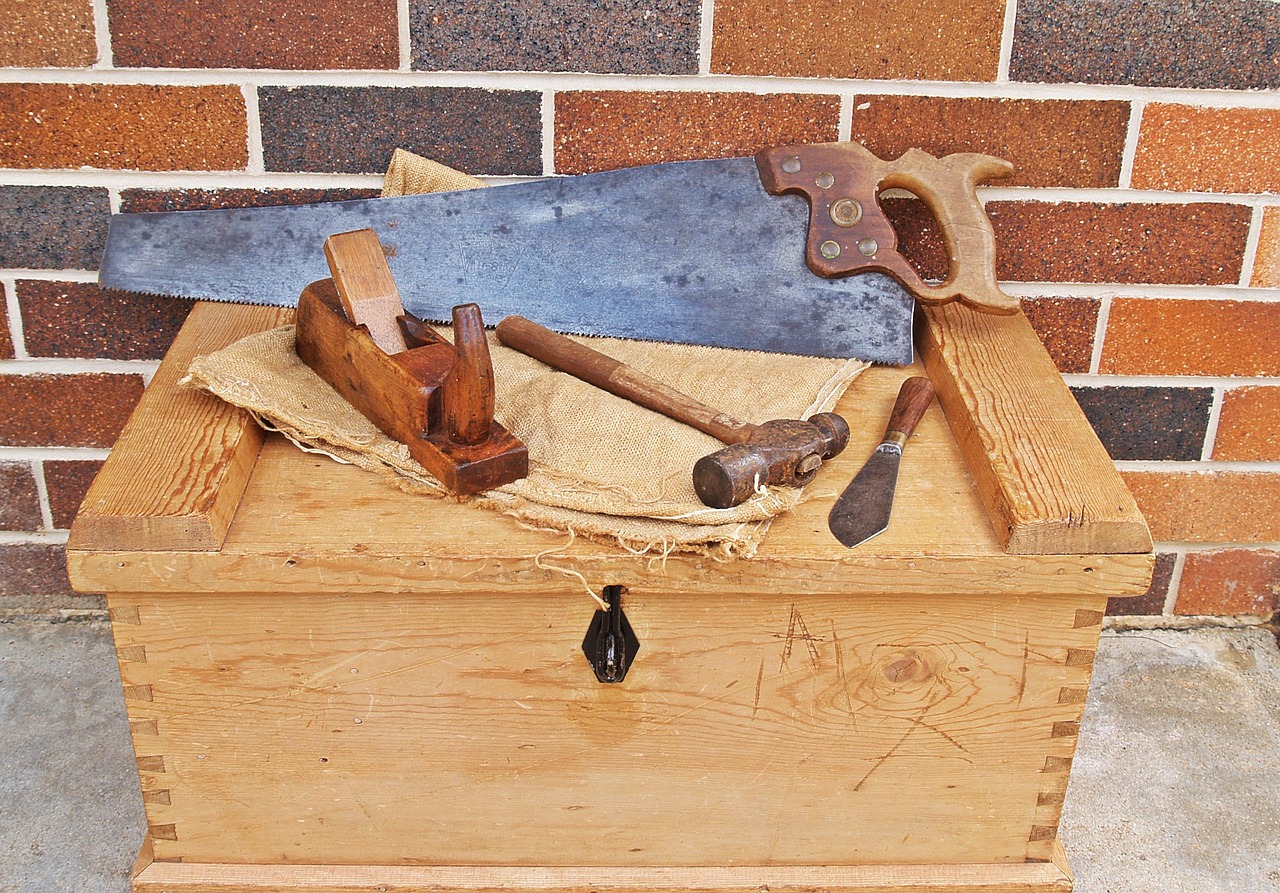
Walk into a woodworking store and you'll see hundreds of tools, most of which you don't need yet. Beginners often buy too much too soon and end up with a garage full of unused gadgets. The truth is that a small, well-chosen set of hand tools will let you build shelves, boxes, small furniture, and most of the projects you see online. Here are the five that matter most, plus why each one earns its place.
The common thread is that all five are versatile. None of them do only one job. That's the test for any tool purchase when you're starting out: can I use it in at least three different ways?
A Japanese pull saw is first. Unlike a Western saw that cuts on the push stroke, a pull saw cuts on the pull, which gives you more control and a thinner kerf. They're inexpensive, sharp out of the box, and perfect for cutting shelf boards, trimming dowels, and making clean crosscuts. A ryoba with both a crosscut and rip side covers almost everything a beginner needs.
Second, a low-angle block plane. This small plane trims end grain, chamfers edges, and flushes dowels and plugs. It's the tool that turns a rough cut into a finished edge. Learn to sharpen the blade and it will serve you for decades.
Third, a set of chisels, ideally three or four sizes from 6 mm to 25 mm. Chisels clean up joints, pare away waste, and can even substitute for a plane in tight spots. Buy mid-range, not bargain-bin; cheap chisels won't hold an edge and will frustrate you.
Fourth, a combination square. This is the tool that keeps everything else honest. It checks 90-degree angles, marks lines parallel to an edge, and measures depth. A decent one with a hardened steel blade will last a lifetime and costs less than a single power tool accessory.
Fifth, a good tape measure and a marking knife. The tape measure is obvious, but the marking knife is the secret weapon. A knife line is far more accurate than a pencil line and gives your saw or chisel a physical groove to sit in. It's the difference between a joint that fits and one that wobbles.
Every cutting tool above needs sharpening, and skipping this step is why beginners get discouraged. Dull tools require more force, which leads to slips and ruined work. A simple sharpening setup, a combination water stone and a honing guide, is enough to keep planes and chisels razor sharp. Learn the basic motion once and it becomes a five-minute routine.
Store your tools somewhere dry. Rust is the enemy of hand tools, and a light coat of camellia oil or paste wax on metal surfaces prevents most of it. Keep chisels in a roll or a rack so the edges don't bang against each other.
Resist the urge to buy a table saw or a router until a project actually demands one. Hand tools force you to understand wood grain, how cuts behave, and how joints come together. That understanding makes you better with power tools later, not worse. Start with these five, build something small, and add tools only when a specific project calls for them. Your wallet and your skills will both thank you.
